1. Consumer insights
From Simporter Insights- Needs and pain points
- Emerging attributes
- Sentiment signals
- Occasions and personas
Simporter Concepts turns consumer needs, category trends, and business constraints into structured product concept ideas. Every concept states the insight behind it, the need it solves, and the evidence that supports it — and can flow straight into a forecasting scenario.


Innovation teams can generate concepts quickly, but the consumer evidence, category opportunity, product attributes, and business constraints behind them are often fragmented. That makes ideas difficult to prioritize, validate, and defend.
Concepts often start with internal brainstorming, trends, or stakeholder preferences rather than a clearly defined consumer need or pain point.
Reviews, social conversations, research reports, category trends, and internal knowledge sit in different places and are hard to connect to one concept.
Teams may see many emerging needs and attributes but struggle to determine which opportunities are growing, underserved, or commercially relevant.
Concepts are evaluated using inconsistent assumptions, making it harder to compare ideas, align stakeholders, and justify which concepts should move forward.
Use consumer evidence, category signals and business requirements to identify opportunities, generate concepts, refine the strongest ideas and move them directly into forecasting.
Find unmet needs and emerging category opportunities from consumer evidence.

Creamy high-protein yogurt in a resealable pouch for on-the-go nutrition.
Turn a target need or product direction into a structured concept.
Peak Protein Yogurt
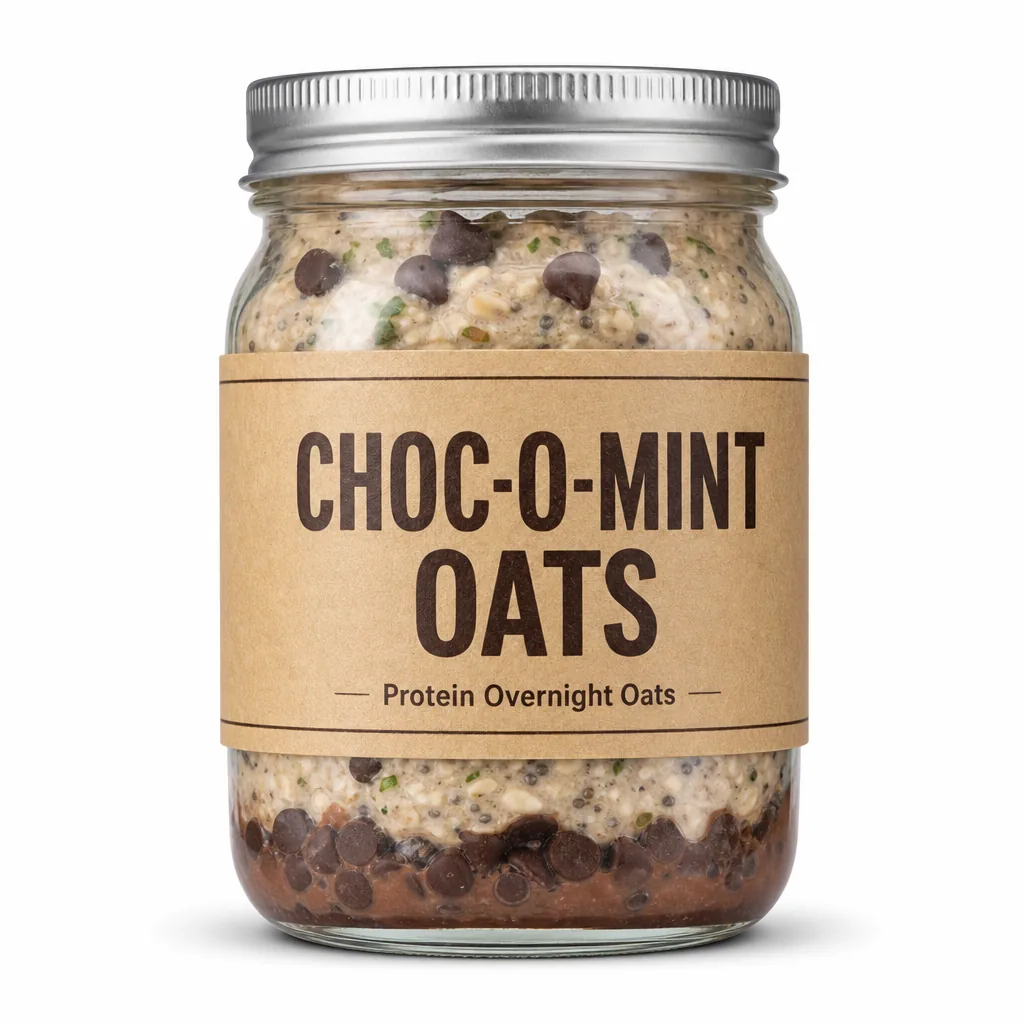 Protein Overnight Oats
Adjust attributes, claims and packaging, then compare alternatives.
Sarah sent a concept to Forecasting
1h agoJamie updated assumptions
2h agoMark commented on Concept A
3h agoSend selected concepts directly into Forecasting with assumptions preserved.
Simporter Concepts combines consumer evidence, product portfolio structure and historical sales data to generate concepts that are relevant, differentiated and grounded in real market context.
Simporter processes content from e-commerce and social media sources to capture written, visual, and spoken consumer signals—turning reviews, product images, and videos into structured category intelligence.
Great quality and super comfortable. Runs a bit small though.
Love the material and fit! Wish it came in more colors.
Fast shipping and amazing customer service.
We extract topics, needs, pain points, benefits, claims, and sentiment from written content.
We analyze social media post images to identify products, people, usage occasions, visual context, packaging, claims, and text embedded in images.
We process spoken content, on-screen text, demonstrations, and visual context from videos.
Simporter Concepts combines consumer signals from Insights with product portfolio context and sales data. These inputs are connected, cleaned, labeled, and structured into concept-ready intelligence teams can use to generate, refine, and validate new product ideas.
Bring together consumer needs, attributes, claims, portfolio structure, and sales context from Simporter Insights and client data.
Remove duplicates, low-signal content, and inconsistent product metadata to improve concept quality.
Classify the data into concept-building dimensions: need, persona, occasion, attribute, claim, sentiment, white space.
Transform signals into organized opportunity spaces and concept-ready building blocks teams can explore by category, target consumer, and portfolio fit.
Browse needs, white spaces, target consumers, and evidence-backed concept directions through filters, concept cards, and structured views.
Use Colton Concepts Agent to turn business goals into structured product concepts grounded in real category evidence.
Here are 3 concept directions based on consumer needs, white spaces, and category evidence.
Turn evidence into better concept decisions for innovation, renovation, and portfolio strategy.
Colton turns consumer signals, portfolio context, and business inputs into structured product concepts through conversation.
Draws on Simporter Insights, product master data, portfolio structure, and historical sales.
Understands consumer needs, white spaces, attributes, claims, and how teams evaluate new ideas.
Retains your objective, target market, selected opportunities, and prior concepts across chats.
Generate directions, refine attributes, compare concepts, and prepare the strongest idea for forecasting.
Turn consumer evidence into product ideas, concept directions, and innovation briefs grounded in real category demand.
Generate and refine product directions using consumer needs, category opportunities, and strategic inputs.
Shape concepts around positioning, language, benefits, and experiences that fit the brand.
Translate concept directions into clearer product attributes, ingredients, formats, and requirements.
Connect concepts to the consumer need, target audience, occasion, and supporting evidence.
Compare concept alternatives and supporting evidence before deciding where to invest.
Move the concept into Forecasting — its attributes carry over as scenario inputs, and Colton builds launch forecast scenarios you can compare and explain.
Colton combines consumer opportunities from Simporter Insights with the client’s product portfolio, historical sales, business objectives, and product constraints. It then generates structured concepts with a target consumer, occasion, attributes, claims, supporting evidence, and assumptions to validate.
Colton can use:
This helps ensure concepts are relevant to the category, differentiated from the current portfolio, and grounded in available evidence.
At minimum, provide the category, market, and innovation objective. You can also specify the target consumer, occasion, brand, product line, format, ingredients, claims, price tier, or other constraints.
Colton can help fill gaps, but it keeps assumptions visible so the team can review and validate them.
Yes. Colton can analyze unmet needs, emerging attributes, consumer tensions, category trends, portfolio gaps, and white spaces before generating product directions.
This allows teams to begin with a defined opportunity rather than a generic brainstorming prompt.
Each concept can show the consumer opportunity behind it, relevant category signals, supporting consumer comments, portfolio context, and available sales evidence.
The evidence remains connected to the concept, making it easier to explain why the idea was created and why it may deserve further investment.
Yes. You can change the target consumer, occasion, format, ingredients, benefits, claims, positioning, packaging, and other attributes through conversation or within the Concepts workspace.
Colton can generate multiple alternatives and help compare them by opportunity fit, differentiation, evidence strength, portfolio fit, and assumptions that still need validation.
Colton uses the client’s product portfolio structure to understand existing brands, product lines, SKUs, formats, attributes, and positioning.
It can identify where a proposed concept overlaps with current products and help focus concept generation on meaningful gaps, line extensions, or differentiated opportunities.
Yes. Teams can organize concepts within projects, share them with colleagues, review supporting evidence, provide feedback, and continue refining the same concept across connected conversations.
This keeps the business objective, previous decisions, and concept context together.
A refined concept can be sent directly into Simporter Forecasting as the product definition for a new launch scenario.
Its attributes, claims, target consumer, occasion, portfolio context, and key assumptions are preserved, reducing manual rework between concept development and forecasting.
Simporter Concepts helps teams:
See Colton turn your category's consumer signal into structured, evidence-backed product ideas.